

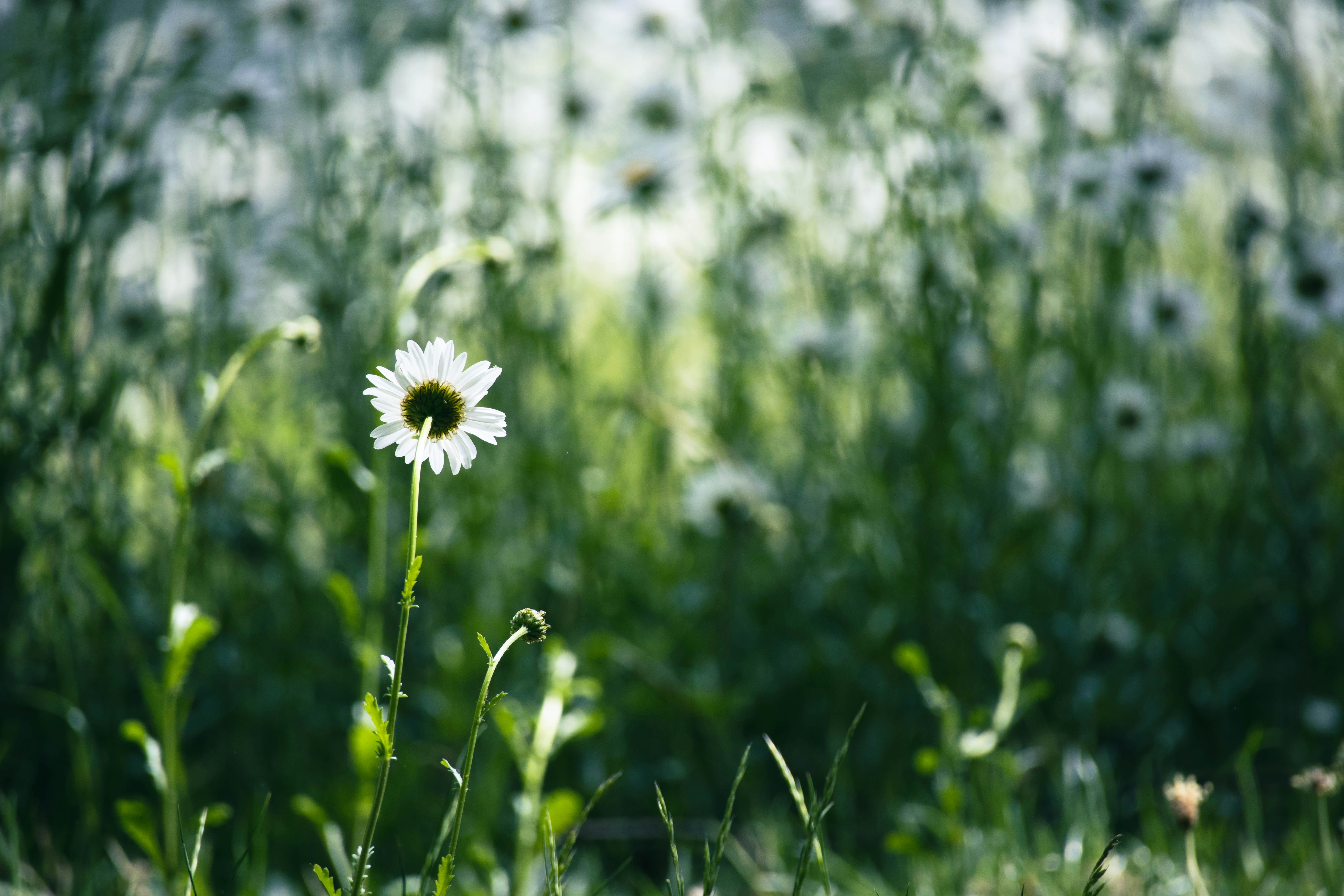
There’s a tendency to miss what’s right in front of us… How could we not, in a highly stimulating world with shocking headlines and filtered images, desensitization is a way we cope. In the frenzy, what subtler or sweeter tones do we miss?
In spiritual traditions around the world, BEAUTY is named a virtue. Whenever I hear a list of the others: purity, courage, reverence, respect, etc…, I nod my head in obvious and resonant understanding, but beauty always stops me.
What is beauty, as a virtue?
There are a variety of definitions and standards in our world today of what beauty can be, and I don’t pretend to know or speak on the solely physical aspect of this topic. From the vantage of virtue, I sense beauty is an inner quality that evokes and radiates vibrancy that can be physically witnessed by an observer.
Maybe it’s because I’m getting older and I myself am waning in “youthful beauty,” or because my proclivities are becoming more nuanced with time and after being off social media for a while. I’m seeing with new eyes.
One of the times I felt and witnessed a deeper quality of beauty was in a private spiritual circle, where we’d donate our time to serve Earth in her healing through us. “We don’t have to heal the Earth, she can heal herself. All we have to do is stop making her sick.” - Eliot Cowan
There was a Japanese woman there who I’d look up to from time to time, and in the hours and days of reflective meditation, I was awestruck by her. We were all as barefaced and as Earthy as it gets, and there was a particular quality in her that I could sense and feel was different. A radiance within her subtle complexity.
It wasn’t until I was sitting in a tea ceremony in Austin a few years later that I began to understand. After three cups of old-growth “living” tea in silence, the beautiful practitioner spoke about the chachē, the table setting, and how simple it was with one draping flower and a spring twig by its side. She shared that the setting followed a Japanese aesthetic principle called shibui, defined as “unadorned beauty”. Imagine an unfinished wood with visible grain or raked gravel and moss in a Zen garden.
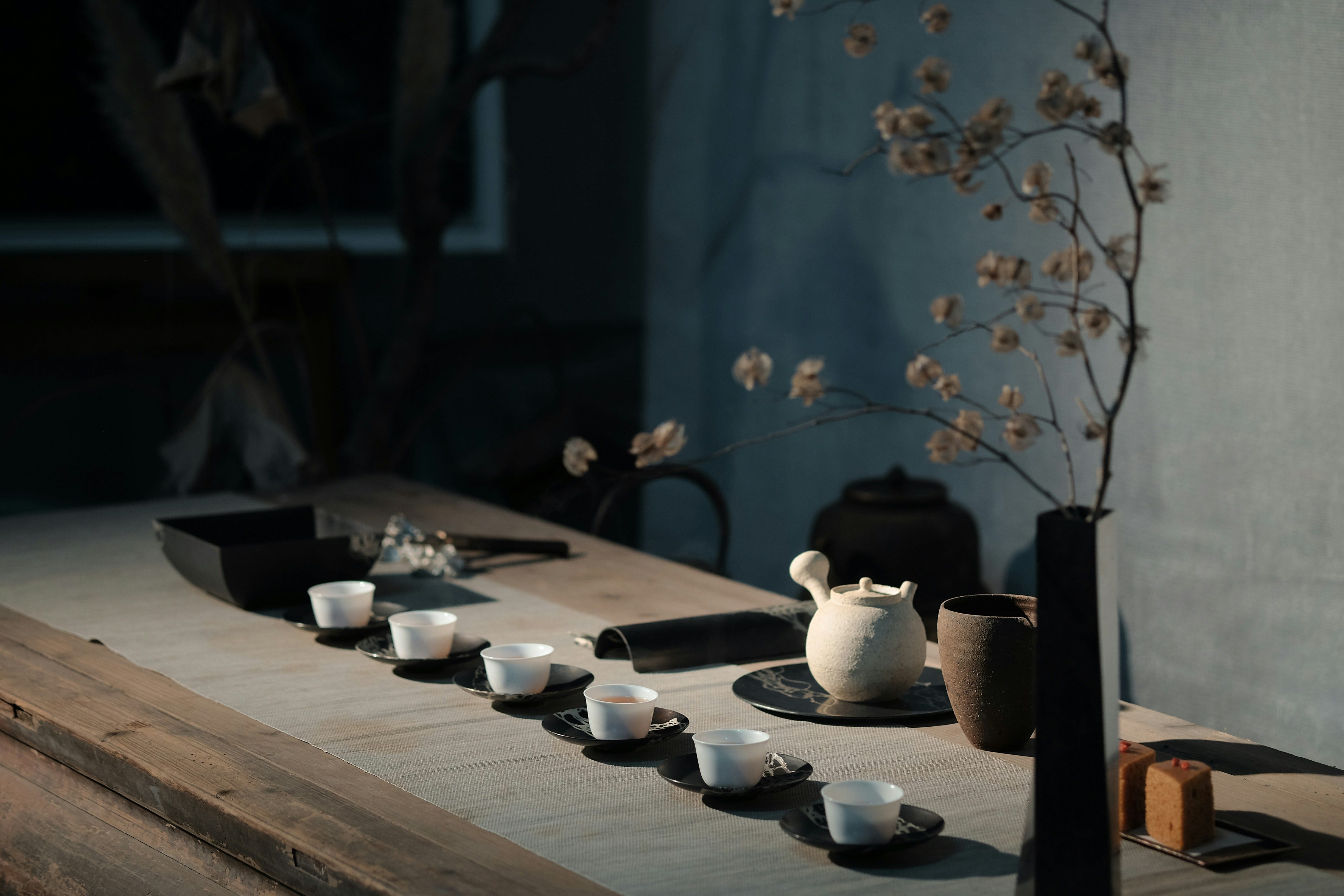
I’m learning Japanese definitions are whole philosophies or ways of being, far beyond a reductionistic 2-word English translation. One way I’d define shibui is an innate inner beauty that naturally radiates, unencumbered. It is itself. It is a beauty that needs no embellishment when it is witnessed as the perfection it is.
This shibui was the quality I saw radiating from the Japanese woman in the circle years before. I have a hunch that because the Japanese could see this quality, they named it, or because it was named, they continued to see it. Thus it became a living treasure in her lineage that continues to shine through. The virtue of beauty kept alive through its witnessed value.
Sadly, I would not have noticed the shibui in this woman, my now-friend, if we had been in the bustle of daily life. It was the quietude, connection to presence, and reflective space that both of us were in that allowed her to shine and gave me eyes to see the virtue in her beauty.
I contemplate beauty because I love it. I’m an artist and admirer of Her (Beauty). I’m also fascinated by it because I was told, and modeled, that it is ephemeral. I never quite believed it.
At 18, I moved to Los Angeles for art and business school, and my newly divorced parents followed me out. You can imagine. I went to restaurants and bars at times with my mom, and I saw firsthand what happens when a culture gets distorted by material physicality and perceived perfectionism. At that time my mom was in her 40s and, unbiased, she was stunning. Even so, she and her friends chose to diet, botox, and “enhance” their way into a California form of beauty, and yet, many of the men still chose the young ones.
Witnessing this painful game was heartbreaking. I knew then that I would have to find another approach for myself as I aged rather than continuously grasping for youth that will inevitably and naturally wane. I coached myself and knew the healthiest approach was to develop passionate interests, create community, and pour into deep friendships. Most of all I knew I had to cultivate the inextinguishable: the quality of beauty that doesn’t fade but ripens with experience, laughter, and inner knowing. I had to love myself. To do that, I also had to exit what my somatic coach calls “the sexual marketplace” and remove myself from that paradigm and lens of beauty. It’s a losing battle that no filter nor filler will fix.
In the last years of my mom’s life, she changed. She was in her 60s now, wrinkled with grays since Los Angeles, and she was more beautiful than ever. I was often gobsmacked by the amount of light I saw shining through her energetically and physically. Yes, she let go of the hair dye and extras, letting her natural coloring show through, but more than that, she let go of the game, the distraction, and the lie that she wasn’t enough, simply, and profoundly, as she was.
I couldn’t be more proud of her.
She embodied shibui.
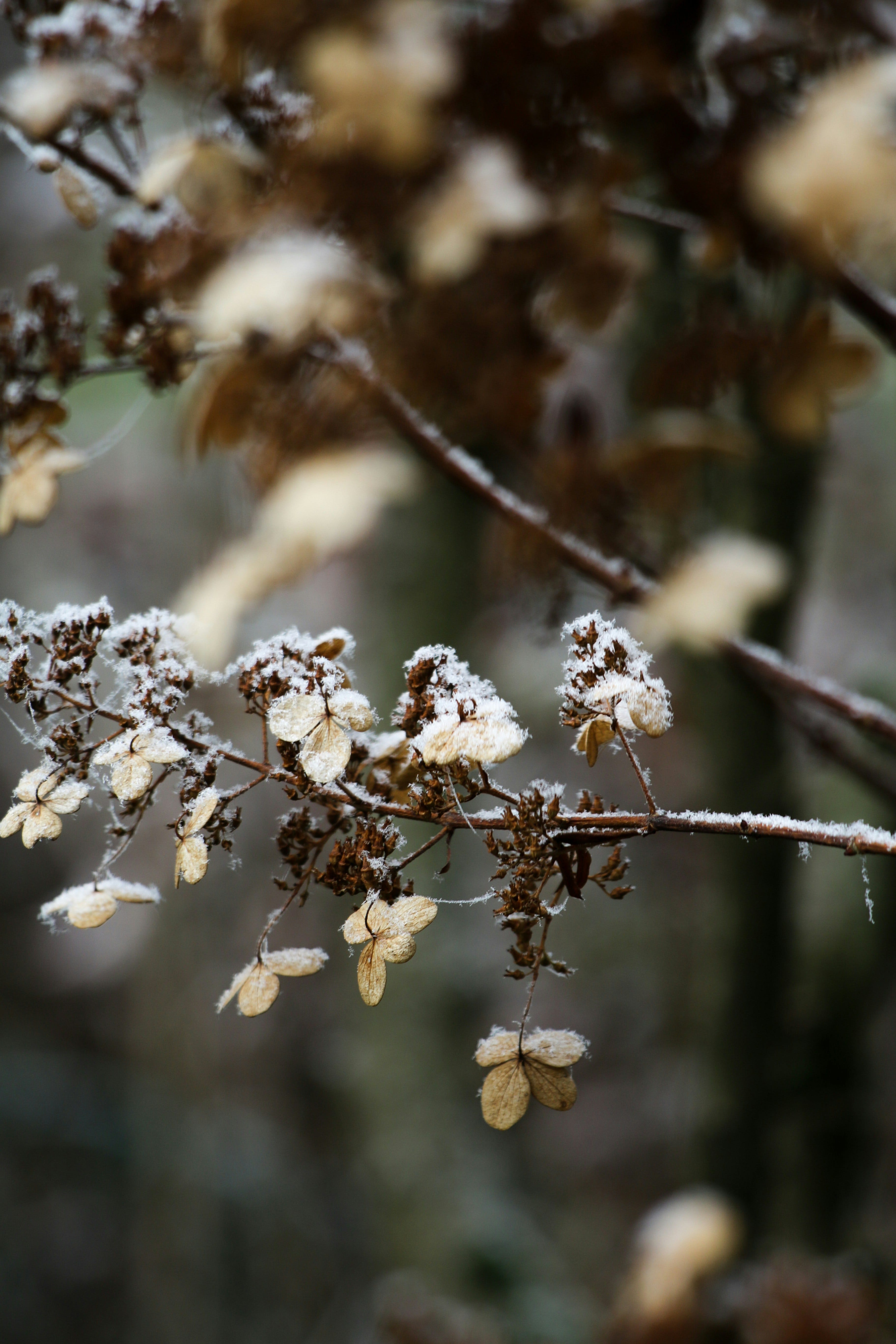
When the adornments, or in this case psychological programming and baggage fell away, radiance poured through.
In this monumental time we live in, when current beauty standards are best depicted in horror movies (cue Demi Moore in The Substance), a complete rewrite is needed, or at least that’s what I’ve needed!
I’ve deeply appreciated the authentic seeing that still exists surrounding beauty which I’ve found through the enriching words and worlds of Japanese culture, including: shibui, and other terms like ōbai tōri, which means that each person has a unique nature and timeline to bloom, and wabi-sabi, the beauty of imperfection appreciated for its journey and wear.
It helps me deepen into the virtue of beauty, immersing myself in cultures that value all its facets, and drinking in perspectives that relish and celebrate beauty’s wholeness.
I hope peering through my eyes of beauty for a moment helps you see yourself and the world in a kinder, sweeter, and more enriching way.
P.S. Exciting update! If you’d like to experience this cultural reverence for beauty with an amazing group of like-hearted women, I’m honored to announce that I’m co-facilitating a Japan Women’s Retreat next May with my dear Japanese friend Nori (the woman mentioned above). Click Here to Learn More »
Bridget Nielsen is a Sedona-based retreat facilitator, spiritual artist, intuitive healer, Youtuber, and host of the Wild & Awake podcast. She has led more than 50 retreats worldwide over 15+ years, specializing in women’s embodiment and circles, and is passionate about bringing people together in person for connective experiences of humanity.